A calm, factual, community-led campaign for independent testing, transparency, and protection for local families.
Our area faces a combination of environmental and planning risks that have never been assessed together. Each issue alone is serious — but together they form an Imperfect Storm. Our goal is simple: independent testing, openness, and protection for the people who live here.
Tonnes of waste burned each year at the Ardley incinerator.
"Forever chemicals" reported in local watercourses linked to former RAF Upper Heyford.
Sludge and slurry stored for long periods on farmland close to homes.
HGVs every day on Camp Road, through the middle of Heyford Park.
The Ardley incinerator, PFAS contamination, sludge and slurry storage, daily HGV traffic through Heyford Park, and housing built on or near contaminated land all intersect in our community. No authority has ever looked at these risks as a whole. Here is each part of the storm.
Heyford Park experiences 300–400 heavy goods vehicles every single day using Camp Road as the main access route through the middle of the estate — the same road lined with homes, the school, playgrounds and shops. These lorries release significant daily pollution directly inside the residential area:
These are not separate problems. They flow into one another — and ultimately, towards the places people live, learn, and play.
In local community Facebook groups, homeowners have begun raising the same worries: houses seem to be taking longer to sell, and people are asking what the growing publicity around PFAS contamination could mean for the value of their homes.
Residents have asked why homes in the area appear to be taking a while to sell, and whether contamination concerns are already putting buyers off.
Homeowners have asked how far prices could drop if there is more adverse publicity about PFAS and pollution in the area.
People are asking what lawyers, conveyancers and surveyors will say, and whether they would have to disclose contamination when selling.
When selling a home in England, sellers usually complete a property information form for the buyer, and buyers' conveyancers often order environmental searches. Once contamination has been publicly reported, it becomes a question that buyers, lenders and surveyors are more likely to ask.
This is general information, not legal advice. If you are buying or selling locally, speak to a conveyancing solicitor about your own situation.
Are you a local homeowner, buyer or estate agent with experience of this? Please get in touch. Accounts will only be shared anonymously and with permission.
The concerns above are paraphrased from public posts by residents in local community Facebook groups and are shared anonymously. They reflect residents' worries, not measured evidence that house prices have fallen. This site does not allege wrongdoing by any individual or company.
Heyford Park is controlled by a small group of private individuals through a network of interlinked companies, many of which share almost identical names. Each company typically owns a different slice of land or phase of development — a structure that is difficult for residents to understand and even harder to scrutinise.
From the UK's largest national housebuilders to a network of interlinked private companies.
Taken together — the complex company structure, the multiple charges, and the lack of clarity around the original sale — residents are left with important unanswered questions about who holds responsibility for the land, the financing, and the long-term environmental and community impacts of development at Heyford Park.
Company, directorship and charge information is drawn from public records held at Companies House. This page asks questions about transparency and accountability; it does not allege wrongdoing by any individual or company.
The three individuals who control Heyford Park — Ian Amdur, Gary Silver, and Paul Silver — collectively hold an unusually high number of directorships across the Dorchester/Heyford corporate network: nearly 60 active company directorships between just three people, all connected to the same development ecosystem.
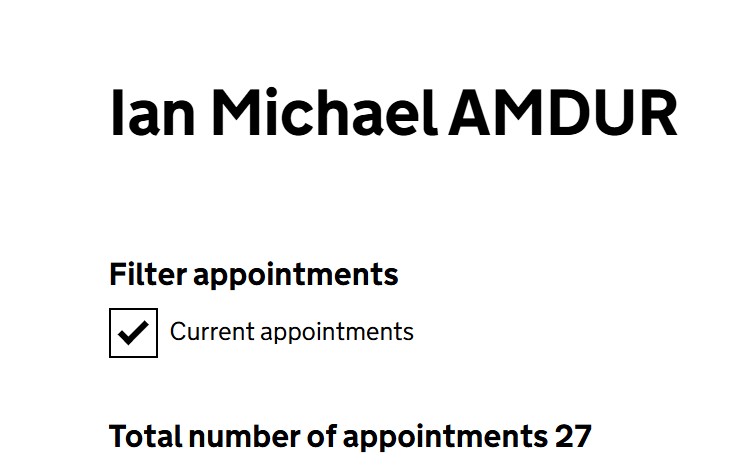
Source: Companies House public register, filtered to current appointments.
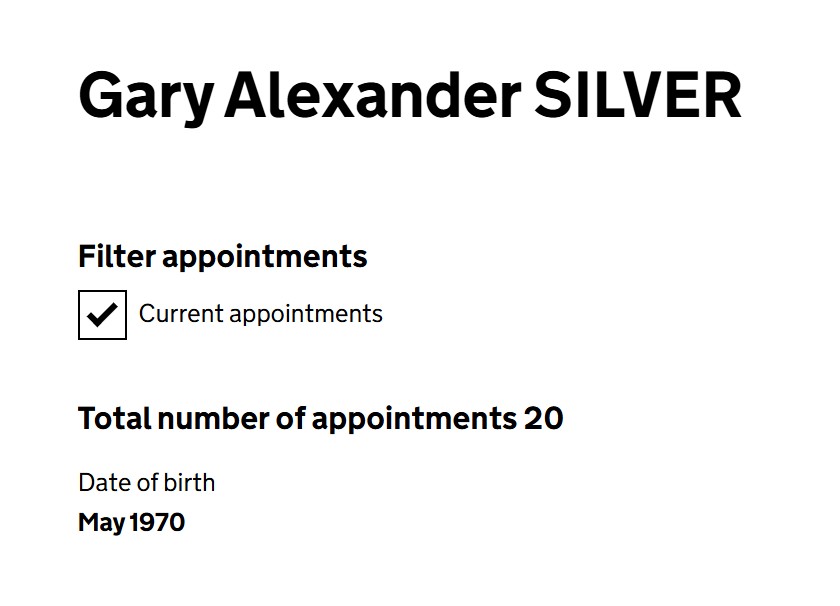
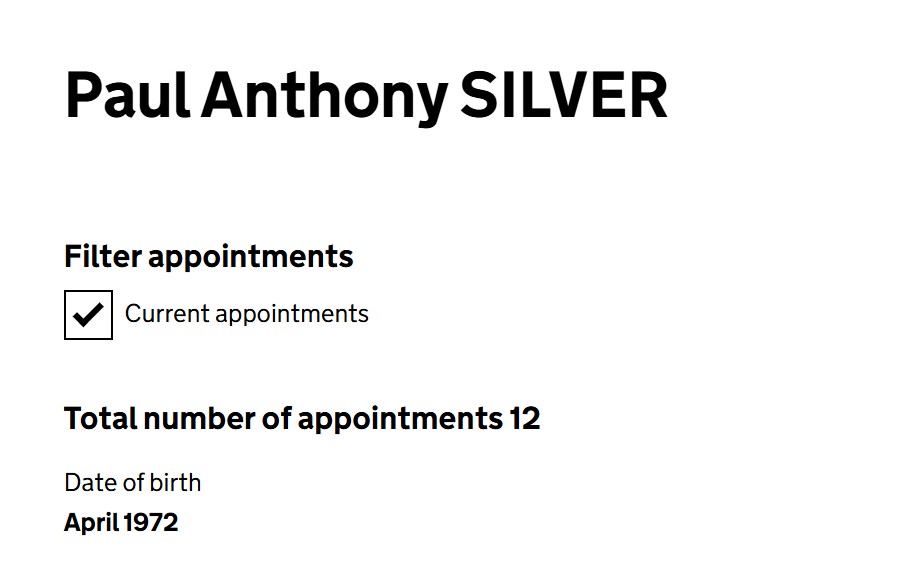
Source: Companies House public register, filtered to current appointments. Chief executive of Dorchester Living.
Many of these companies share similar names, operate from the same registered address, and relate to different parcels of land, phases of development, or financing structures within the former RAF Upper Heyford site. Large regeneration projects often involve multiple companies — but the density of directorships concentrated in so few hands at Heyford Park is far beyond what most residents would expect from a local housing development. It raises reasonable questions about:
When combined with the numerous outstanding bank charges across these companies and the lack of transparency around the original sale from the North Oxfordshire Consortium, the volume of directorships contributes to a wider picture of a development that is corporately complex but publicly unclear.
“…assailed by every protestor under the sun, and local people, [with] ‘not on my doorstep’ scenarios.”
— Paul Silver, chief executive of Dorchester Living, speaking about Heyford Park in a published press interview, December 2025.
This comment, made while discussing the Heyford Park development, has raised concerns among residents about the company's attitude toward community feedback. At a time when local people are reporting serious issues — pollution, HGV traffic, sewage releases, and environmental contamination — the tone of this statement has been seen by many as dismissive of legitimate worries. Residents are increasingly asking whether their concerns are being heard, or simply categorised as "protestors" to be brushed aside.
Directorship figures are taken from public Companies House records (current appointments). The quotation above is from a published press interview and is reproduced for the purpose of comment and review. This page asks questions about transparency and accountability; it does not allege wrongdoing by any individual or company.

This site is researched, written and maintained by one local resident — not a political party, a developer, or a lobbying group. If you have information, a correction, or simply want to get in touch, you're always welcome to.
Peter Sanford is a musician, writer and activist, and the creator of OurWorld — a civic platform built to give ordinary people a clearer, calmer voice. He designed and built The Imperfect Storm to bring the evidence around development, pollution and accountability at Upper Heyford into one place.
The whole site is held to a single standard: no claim without a source. If you spot something that doesn't meet it, please say so — accuracy matters more than being right.
This campaign is independent and non-partisan. It asks questions about transparency, testing and accountability; it does not allege wrongdoing by any individual or company.